Rahu Kaal- Overview
Rahu is a malefic planet, according to Vedic astrology. Rahu’s influence should be avoided when performing any auspicious work during planetary transitions. Due to Rahu’s negative and abrupt nature, it is difficult to perform Puja, Hawan, or Yagya to appease benefic planets during this time. The intended outcomes are not attained if one performs a Puja, Hawan, or Yagya during Rahu Kaal.
Therefore, before beginning any new work, it is crucial to take Rahu Kaal into account. By doing this, the likelihood of getting the intended outcomes is enhanced.
But during this time, Rahu-related work produces excellent results. You can perform Hawan, Yagya, and other rituals are specifically done to appease Rahu during this time.

Rahu Kaal Timings on each day of the week
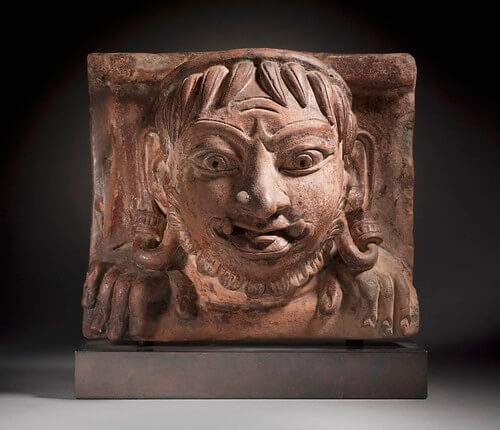
What is Rahu?
One of the nine principal heavenly bodies (navagraha) mentioned in Hindu literature is Rahu. The shadow energy Rahu is what causes eclipses. Rahu represents the moon’s North Node.
Along with Rahu, the north lunar node (ascending), Ketu is a “shadow planet” that causes eclipses. Sages gave it the title of a planet despite the fact that it is an imaginary celestial body since Rahu is important in astrology.
Rahu, according to Hindu astrology, represents materialism, mischief, dread, misery, obsession, and perplexity. Rahu is associated with politicians as well as occult studies. Like Ketu, Rahu is an enemy of the sun and moon. It is often viewed as a malefic planet in astrology.
Rahu is the karaka of abrupt occurrences, which can be either good or bad depending on where Rahu is positioned. Rahu, however, was in opposition to each of these planets, in contrast to the other planets, which initially make a native competent in a certain subject before gradually delivering success. Rahu doesn’t have the capacity for patience. It calls for instant gratification.
According to Vedic astrology, Rahu and Ketu have an orbital cycle of 18 years and are always 180 degrees apart in the birth chart and orbit, respectively (also known as the Rahu Ketu axis).
The moon’s precessional orbit and the 18-year rotation of the lunar ascending and descending nodes on the earth’s ecliptic plane coincide with this. Rahu and Shani jointly rule the astrological sign of Aquarius.
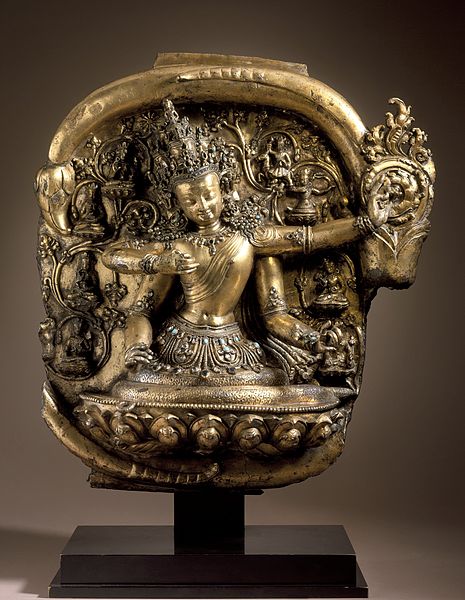
Significance of Rahu Kaal
Rahu is believed to be most active during the Rahu Kala, and because of its unfavourable and deceptive energy, Rahu Kala is seen as an unlucky time of day. It is advised that no new endeavours be undertaken and that no one should leave their houses during the Rahu Kala.
Rahu Kaal is significant, particularly in South India. Graha Pravesh, engagement ceremonies, stock and share purchases, housing and automobile purchases, new company ventures, and trades are all considered auspicious activities that should be avoided during this time. Only fresh work is to be started during Rahu Kaal; work that has been begun may be continued.
Rahu Kaal, also spelled Rahu Kala, Rahu Kal, Rahu Kalam, and Rahu Kalaam refers to a set period of time each day that lasts roughly an hour and a half. One of the eight hours between sunrise and sunset is known as Rahu Kaal.
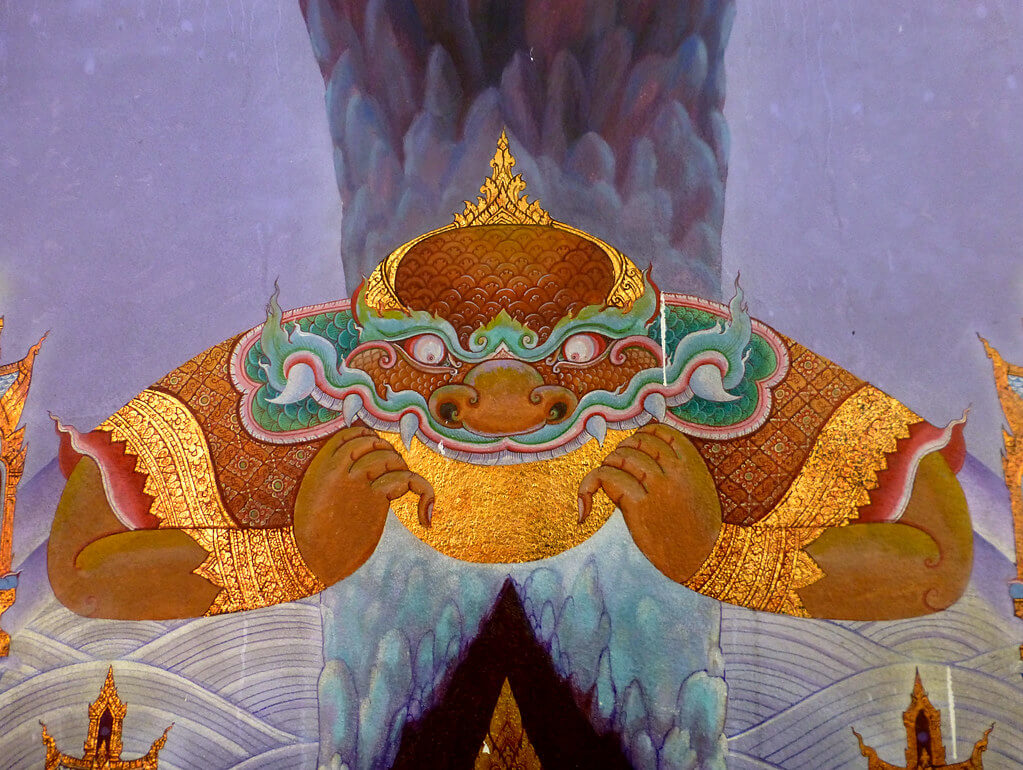
How is Rahu Kaal Calculated?
Because sunrise and sunset times vary by location, no two areas experience Rahu Kaal at the same time or for the same length of time. Due to seasonal changes in dawn and sunset times, even for one place, Rahu Kaal timing and duration are not constant from day to day.
Rahu Kaal, in other words, changes from location to place and day to day. Rahu Kaal should therefore be considered for each day.
The first period (of eight periods between dawn and sunset) after sunrise, which lasts for roughly one and a half hours, is always auspicious because Rahu’s bad effects are never present during this time.
Rahu Kaal occurs in the second period on Monday, the third period on Saturday, the fourth period on Friday, the fifth period on Wednesday, the sixth period on Thursday, the seventh period on Tuesday, and the eighth period on Sunday.
Few people take into account Rahu Kaal for the nighttime, which is less common because most significant and auspicious work is initiated during the day. The duration between sunset and dawn the following day can also be used to determine Rahu Kaal during the night.
Some claim that Rahu Kaal’s negative impacts are greater on Tuesday, Friday, and Sunday than they are on other weekdays.
Rahu Kaal is classified into the following Time-segments (Muhurat) on each weekday:
Monday – Second time period of the day following sunrise.
Tuesday -the seventh time period of the day following sunrise.
Wednesday- the fifth time segment following sunrise.
Thursday – the sixth time period following sunrise.
Friday – the fourth time segment following sunrise.
Saturday -the third time segment following sunrise.
Sunday- the eighth-time segment of the day after sunrise.
* Each Time-segment is roughly 1 hour and 30 minutes long.
Buy best quality original Gemstones❤️