Ekadashi Vrat 2022- Overview
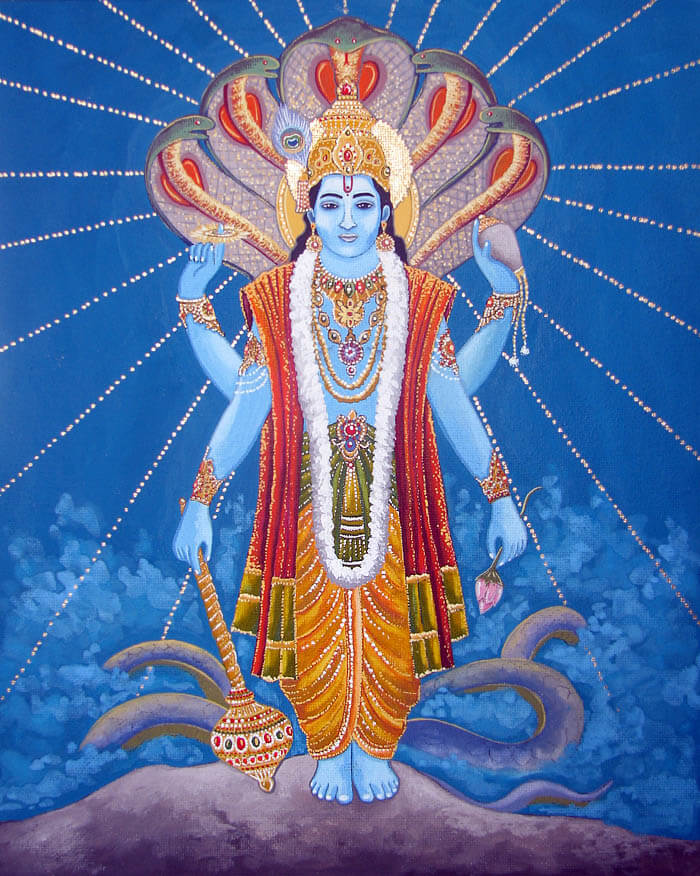
Ekadashi Vrat is one of the most popular fasts among Hindus, it is especially popular among devotees of lord Vishnu. It takes place on the 11th day of the lunar cycle as per the Hindu calendar. Praying and fasting on this day pleases Lord Vishnu which in return fulfills your life with prosperity, joy, and positivity and purifies all the sins.
Devotees can perform the fasting rituals according to their body’s capacity, without causing any damage to the body and health.
Ekadashi fast is believed to purify your soul and prepare it for moksha (salvation). This ritual of fasting helps people get rid of harmful planetary influences and achieve well-being.

What is Ekadashi Vrat?
Ekadashi vrat is an auspicious day that occurs on the 11th lunar day of two lunar phases in a month, Shukla Paksha and Krishna Paksha. In a spiritual context, it signifies 11 senses constituting five sensory organs, 5 organs of action, and the mind.
Ekadashi Vrat is considered to be one of the most auspicious days to observe Vrat (fast) by controlling the 10 senses and mind and consuming fruits, milk, and a few vegetables while avoiding consuming rice, beans, and grains. scientifically moons have a direct impact on the mental frequency of a person these days.
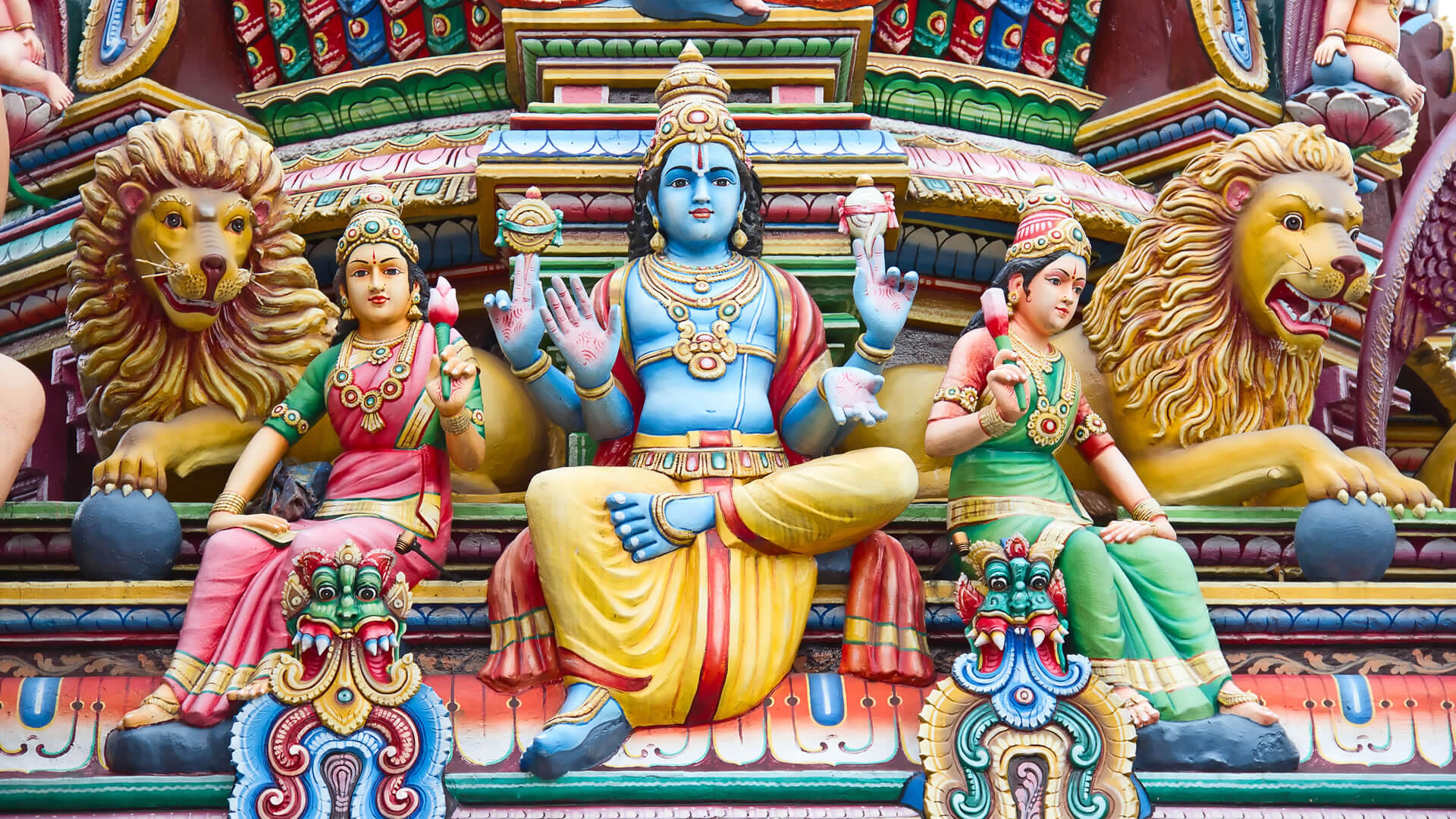
Thus, Ekadashi Vrat is observed to support the high mental energy in the right direction and resist ill deeds. It is an austerity done to control our senses and indulge ourselves in a higher level of consciousness. There are 24 Ekadashi Vrat in a year where each Ekadashi holds a special significance and is correlated with a different incarnation of Lord Vishnu.
Do you have any questions or issues related to personal life, love life, career, or health? Consult the best astrologers and get answers/ solutions to all your problems based on your own birth chart.
Dates and Timings of Ekadashi Vrat in 2022
- January 13, 2022, Thursday
Pausha Putrada Ekadashi Vrat
Vaikuntha Ekadashi
Pausha, Shukla Ekadashi
Begins – 11:19 AM, Jan 12
Ends – 02:02 PM, Jan 13
- January 28, 2022, Friday
Shatila Ekadashi Vrat
Magha, Krishna Ekadashi
Begins – 08:46 PM, Jan 27
Ends – 06:05 PM, Jan 28
- February 12, 2022, Saturday
Jaya Ekadashi Vrat
Magha, Shukla Ekadashi
Begins – 08:22 AM, Feb 11
Ends – 10:57 AM, Feb 12
- February 26, 2022, Saturday
Vijaya Ekadashi Vrat
Phalguna, Krishna Ekadashi
Begins – 05:09 AM, Feb 26
Ends – 02:42 AM, Feb 27
- March 14, 2022, Monday
Amalaki Ekadashi Vrat
Phalguna, Shukla Ekadashi
Begins – 04:51 AM, Mar 13
Ends – 06:35 AM, Mar 14
- March 28, 2022, Monday
Papmochani Ekadashi Vrat
Chaitra, Krishna Ekadashi
Begins – 01:34 PM, Mar 27
Ends – 11:45 AM, Mar 28
- April 12, 2022, Tuesday
Kamada Ekadashi Vrat
Chaitra, Shukla Ekadashi
Begins – noon, Apr 11
Ends – 12:32 AM, Apr 13
- April 26, 2022, Tuesday
Varuthini Ekadashi Vrat
Vaishakha, Krishna Ekadashi
Begins – 09:07 PM, Apr 25
Ends – 08:17 PM, Apr 26
- May 12, 2022, Thursday
Mohini Ekadashi Vrat
Vaishakha, Shukla Ekadashi
Begins – 03:01 PM, May 11
Ends – 02:21 PM, May 12
- May 26, 2022, Thursday
Apart Ekadashi Vrat
Jyeshtha, Krishna Ekadashi
Begins – 06:02 AM, May 25
Ends – 06:24 AM, May 26
- June 10, 2022, Friday
Nirjala Ekadashi Vrat
Jyeshtha, Shukla Ekadashi
Begins – 02:55 AM, Jun 10
Ends – 01:15 AM, Jun 11
- June 24, 2022, Friday
Yogini Ekadashi Vrat
Ashadha, Krishna Ekadashi
Begins – 05:11 PM, Jun 23
Ends – 06:42 PM, Jun 24
- July 10, 2022, Sunday
Devshayani Ekadashi Vrat
Ashadha, Shukla Ekadashi
Begins – 12:09 PM, Jul 09
Ends – 09:43 AM, Jul 10
- July 24, 2022, Sunday
Kamika Ekadashi Vrat
Shravana, Krishna Ekadashi
Begins – 06:57 AM, Jul 23
Ends – 09:15 AM, Jul 24
- August 8, 2022, Monday
Shravana Putrada Ekadashi Vrat
Shravana, Shukla Ekadashi
Begins – 07:20 PM, Aug 07
Ends – 04:30 PM, Aug 08
- August 22, 2022, Monday
Aja Ekadashi Vrat
Bhadrapada, Krishna Ekadashi
Begins – 11:05 PM, Aug 21
Ends – 01:36 AM, Aug 23
- September 6, 2022, Tuesday
Parsva Ekadashi Vrat
Bhadrapada, Shukla Ekadashi
Begins – 01:24 AM, Sep 06
Ends – 10:34 PM, Sep 06
- September 21, 2022, Wednesday
Indira Ekadashi Vrat
Ashwina, Krishna Ekadashi
Begins – 04:56 PM, Sep 20
Ends – 07:04 PM, Sep 21
- October 5, 2022, Wednesday
Papankusha Ekadashi Vrat
Ashwina, Shukla Ekadashi
Begins – 07:30 AM, Oct 05
Ends – 05:10 AM, Oct 06
- October 21, 2022, Friday
Rama Ekadashi Vrat
Kartika, Krishna Ekadashi
Begins – 11:34 AM, Oct 20
Ends – 12:52 PM, Oct 21
- November 4, 2022, Friday
Devutthana Ekadashi Vrat
Kartika, Shukla Ekadashi
Begins – 02:00 PM, Nov 03
Ends – 12:38 PM, Nov 04
- November 19, 2022, Saturday
Utpanna Ekadashi Vrat
Margashirsha, Krishna Ekadashi
Begins – 04:59 AM, Nov 19
Ends – 05:11 AM, Nov 20
- December 3, 2022, Saturday
Mokshada Ekadashi Vrat
Guruvayur Ekadashi
Margashirsha, Shukla Ekadashi
Begins – 12:09 AM, Dec 03
Ends – 12:04 AM, Dec 0
- December 19, 2022, Monday
Saphala Ekadashi Vrat
Pausha, Krishna Ekadashi
Begins – 10:02 PM, Dec 18
Ends – 09:02 PM, Dec 19
Significance of Ekadashi Vrat
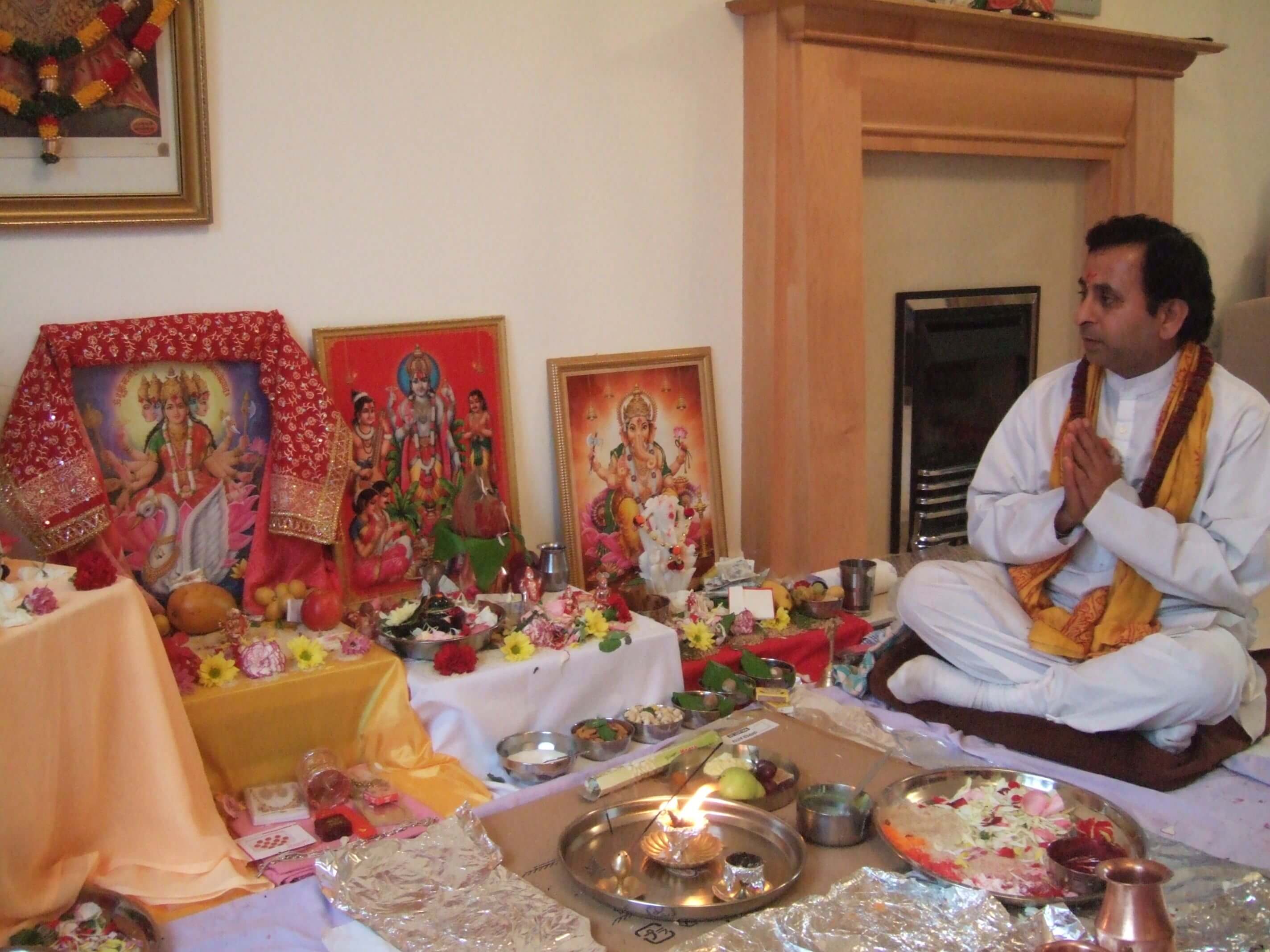
Ekadashi Vrat is mentioned in many Puranas and is also known as ‘Harivasala’ and ‘Hardin’. The importance of the Ekadashi fast is also mentioned in the Padma Purana and Skanda Purana. Ekadashi is a bimonthly event generally observed by Vaishnavas, although it is also open to non-Vaishnava devotees.
All Vishnu devotees who observe the Ekadashi fast strictly abstain from grains, beans, grains, certain vegetables, and spices.
Ekadashi is observed with regional variations. Preparations for Vrat begin on the day of Dashami, the day before Ekadashi. Devotees who wish to observe this Vrat wake up early in the morning at Dashami to take a ceremonial ablution.
They also do other daily routines that are necessary to conduct pujas and prayers. They eat only one meal a day and avoid salt.
The most preferred foods to be consumed with this Ekadashi Vrat include fresh dried fruits, dairy products, vegetables, and nuts. In western India, sabudana khichdi is consumed from sabudana, potatoes, and peanuts. However, onions and garlic are not included. Also, avoid alcohol, non-vegetarian foods, and sexual activity.
Additionally, some Puranas state that dal and honey should be abstained from on Dashami Day. The next day is Ekadashi Day, a day of complete fasting. Throughout the day, worship Lord Vishnu through poojas, prayers, and mantras. Some believers stay awake at night by listening to religious stories and playing artis.
The day after Ekadashi is Dwadashi. Dasani’s daily routine is done on this day as well. After bathing, pray to Lord Vishnu and light the lamp. Fasting is completed with food prepared on the day of Dashami. Overeating should be avoided.
Additionally, food consumed in Dwadashi must be prepared at home. And in medical terms, the Ekadashi Vrat cleanses the body and gives the digestive system the rest it needs.
Ekadashi fast is taken up in the following well-known ways
- Nirjala: It includes no consumption of food throughout the day.
- Sajala: It includes the consumption of fruit juices and other liquids for the whole day.
- Farali: It includes consuming milk and fruits only.
Ekadashi fast cleanses the mind and keeps the body fresh by detoxifying and refreshing body fluids. It prevents the formation of tumors and prevents cancer cells.
It also controls sugar levels and the risk of developing diabetes Helps convert fat globules into energy and cleans out unwanted fat and cholesterol. The body is more energetic and free after fasting.
How to do Ekadashi fast?
The Ekadashi Vrat has several rules that must be strictly followed to obtain the desired results. Only determined and spiritually minded people can observe this fast according to the precepts.
- Do not touch food or water during the fasting period. However, those who cannot observe nirjala Ekadasi (waterless Ekadashi) can consume fruits and milk. Consumption of grains, meat, and fish is strictly prohibited.
- Fasting must begin at sunrise and end at sunset. Observers of this fast recommend getting up in the morning, taking a cleansing bath, and chanting the Vishnu Mantra “Om Namo Bhagavate Vasudevaya”
- Observers of this fast should avoid violence, dishonesty, and lies and engage in charitable activities.
Ekadashi Vrat Fasting Benefits
In Hinduism, fasting is a way of making the human body a ritual object that is a part of worshipping a deity, and Ekadashi Vrat is one such fasting. Many ceremonies are performed, depending on which god and deity it is. Fasting too is a part of that.
Now, this phenomenon of cleansing of mind, body, and soul is not confined to the supernatural realm of the soul but finds relevance in scientific applications of metabolism and other biological processes. This art of worshipping and pleasing the gods has been practiced since ancient times and has spread to the modern world.
Fasting can embark on a spiritual journey and cleanse your conscious soul. Fruits and milk can be consumed by people who are fasting. There are many short stories related to fasting holy and sacred texts of Hindus.
Researchers have discovered the biological effects of fasting on the human body. Many people are unaware of this, but their belief is what keeps them doing these fasts.
On the day of Ekadashi, when we pray and observe a fast, it pleases lord Vishnu which is very beneficial to attract prosperity in life. This fast also helps in cleansing our sins and making our way easier towards salvation(moksha). And scientifically it is said that when we keep our bodies light and available our attention is directed inwards.
The doors are more likely to open inwards on this day. If we are full we might not absorb the energies of this divine day Therefore, to stay vigilant and to cleanse the body, you should avoid eating that day.
Buy best quality original Gemstones❤️