


Tulsi Plant: Overview
According to Hindu beliefs and culture, the Tulsi plant is one of the most sacred plants and plays a major significant role in one’s life. The magical properties of the plant make it unique among all the common herbs.
Vedic scriptures display Tulsi as an incarnation of Goddess Laxmi. It is believed that the presence of this plant in the house makes sure that the household never goes out of money.
Moreover, Tulsi leaves also reflect Ayurvedic, scientific, and astrological, influence along with spiritual properties. Ancient astrological writings are proof of the uses and remedies of the Tulsi plant.
Tulsi is another name of power and strength that eliminates all the negative energies from the house including the doshas of Venus and Moon The plant is very beneficial for married people.
If married people worship the plant, it helps them remove negative energy from their life, and they grow a strong relationship with their spouse. When Tulsi and astrology go hand in hand, Vastu dosh lessens.
Tulsi: Significance
Herbs have been used for centuries in Ayurvedic medicine and are a big part of Indian culture. Tulsi Plant, also known as Holy Basil, is one of the most popular and revered herbs in India. It is known for its many medicinal and astrological properties and is used to treat a variety of conditions.
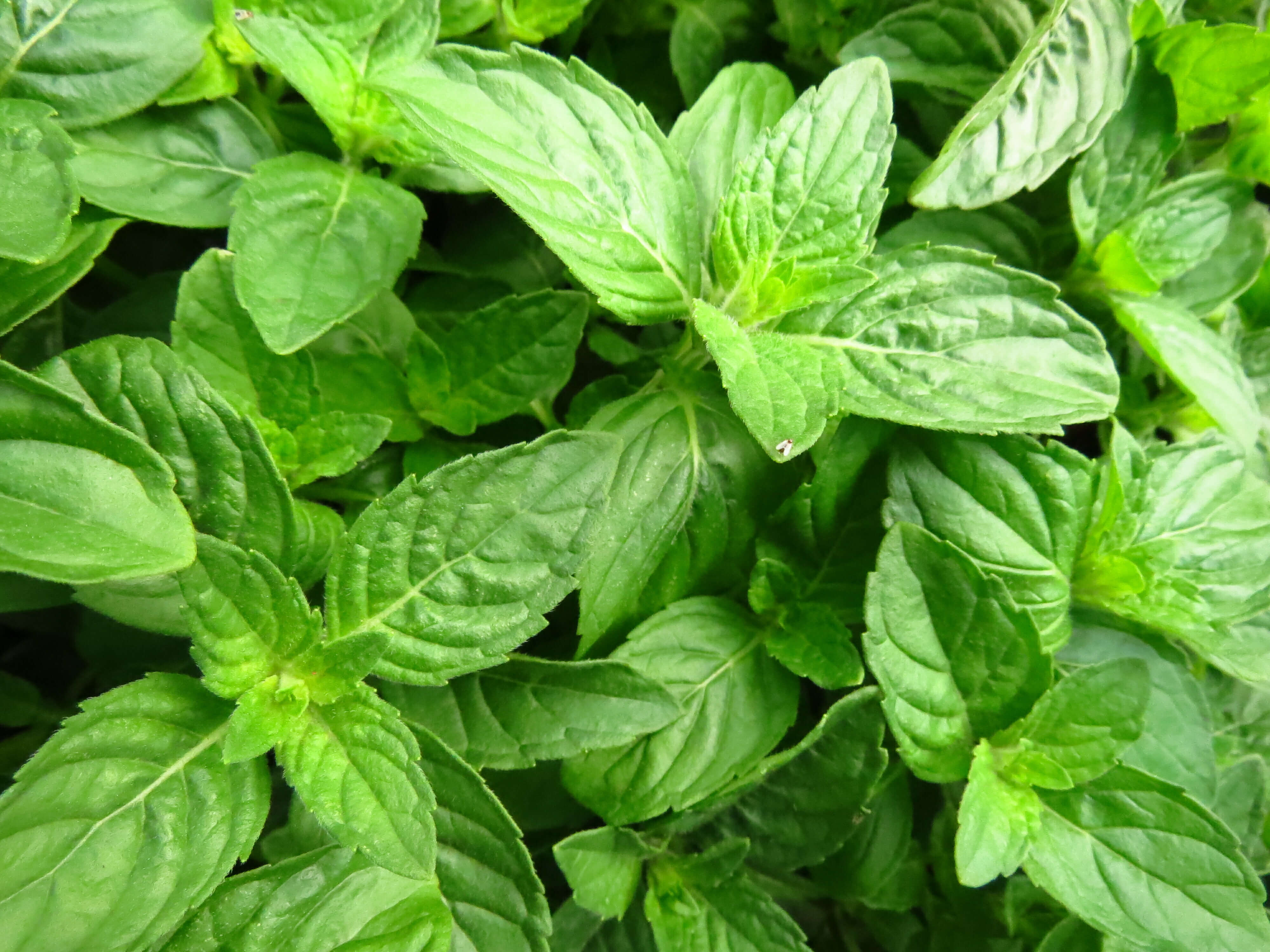
Tulsi Plant has a wide range of benefits, including boosting immunity, reducing stress, and promoting healthy skin and hair. Tulsi is a bushy plant located in the semitropical and tropical regions of the world. It has a unique fragrance and a distinct taste.
It can grow up to a height of 3-5 feet. Tulsi Plant leaves are used in preparing Ayurvedic medicines. Tulsi is also known as – Ocimum sanctum. Out of all the herbs used, none has a status comparable to the tulsi plant or holy basil (Ocimum sanctum).
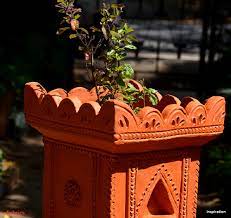
Tulsi: Mythology
The legend behind Tulsi Vivah and its rites are told in the scripture, Purana. According to Hinduism, the Tulsi was a woman named “Vrinda”. She was married to the Asura king Jalandhar, who due to her devotion and piety to Vishnu, became invincible.
Tulsi is not offered to Lord Shiva because Vrinda received the boon and was reborn as the holy basil. After knowing that Lord Shiva killed her husband, she refused to worship him.
Tulsi is a bushy plant located in the semitropical and tropical regions of the world. It has a unique fragrance and a distinct taste. It can grow up to a height of 3-5 feet. Tulsi Plant leaves are used in preparing Ayurvedic medicines.
Tulsi is also known as – Ocimum sanctum. Out of all the herbs used, none has a status comparable to the tulsi plant or holy basil (Ocimum sanctum).
In this article, we will take a closer look at tulsi and its many benefits.
Benefits of Tulsi Plant:
1. Helps in removing Doshas
As per Vedic Astrology, the Holy Tulsi plant holds an immense astrological significance, as it helps to eliminate negative effects and doshas of the Moon and Venus. If the position of the Moon and Sun is weak in one’s horoscope, he/she can wear Tulsi mala or worship the plant wholeheartedly. By doing this, doshas related to the sixth and eighth house can be warded off and the seventh house becomes strong.
2. Purifies the Surroundings
It is believed that having this plant at home helps to purify the air. The Tulsi plant is believed to absorb poisonous chemicals from the air and emits a nice aroma that keeps the environment fresh and clean.

3. Reduce Negative energy
Tulsi plant helps in the reduction of stress. By planting a Tulsi plant at home, positive energy increases, and negative energy is destroyed. It is a good treatment for preventing misfortunes from entering the house as well as for curing health-related problems.
4. Tulsi Plant brings prosperity
The Tulsi plant is considered to bring good luck to the home and avoid money-related problems. In Vedic astrology, it is said that having a tulsi plant is beneficial to the family’s financial situation. So, you should plant a Tulsi Plant in your house if you want to improve the financial condition of your home.
5. Protects Family
As per Vedic astrology, the presence of the Tulsi plant in the home is beneficial to the family’s protection. Since it safeguards the family from evil eyes and other forms of black magic practices.
6. Strengthen the Family bond
Tulsi plant in the house is beneficial to the family since it strengthens the bonds between the family members and allows them to enjoy one another’s company. So, one should have the Tulsi Plant in the house if he/she wants to strengthen family bonds.
7. Detoxification
Many of the physiological benefits of tulsi can be attributed to its ability to assist with the protection of and body’s internal housekeeping from toxin-induced damage. These functions are attributed to tulsi’s high content of phenolic compounds and antioxidant properties.
The Krishna tulsi has a higher phenolic content and anti-oxidant capacity than white Vana tulsi. Laboratory studies have shown that tulsi protects against toxic chemical-induced injury by increasing the body’s levels of anti-oxidant molecules such as glutathione.
8. Divine tulsi plant
In Hindu tradition, the tulsi plant is worshipped as a goddess, and every part of the tulsi plant is considered sacred, including the stem, leaves, flower, root, seeds, and oil. Even the surrounding soil, which has recently been found to harbor benefits, is considered an aspect of the divine. As such, Hindu households are considered incomplete without the Tulsi plant in the home.
9. Help in reducing Physical stress
The actions that protect against the toxic effects of chemicals and other radiation also help to reduce the toxic effects of many physical stressors.
Prolonged physical exertion, exposure to cold and excessive noise disturb homeostasis by inducing physiological and metabolic stress. Tulsi Plant help in enhancing body metabolism.
It is also studied that Tulsi Plant helps in improving swimming time and reduces oxidative tissue damage and normalizes many physiological and biochemical parameters caused by physical stressors.
10. Infection Protection
Modern research has revealed that the tulsi plant has an anti-bacterial, anti-viral, and anti-fungal activity that includes activity against many pathogens responsible for human infections. The Tulsi plant also helps to boost defenses against infective threats by enhancing immune responses in nonstressed and stressed animals and healthy humans.
Tulsi may help in the treatment of various human bacterial infections including urinary tract infections skin and wound infections, typhoid fever, tuberculosis, acne, s, various types of pneumonia and fungal infections, as well as mosquito-borne diseases such as dengue, malaria, etc.
11. Tulsi Tea
Consumption of tulsi tea on regular bases, may be compared with the regular practice of yoga, which can be considered “adaptogenic” through nurturing and nourishing the body, mind, and spirit while fostering a sense of relaxation and wellbeing.
In contrast, regular consumption of caffeinated beverages such as black and green tea and coffee may be compared with more aerobic exercise, which confers health benefits through activation and stimulation.
12. Science and Tulsi
Tulsi plant is considered necessary in the world of science. The scientific name of the Tulsi plant is Ocimum Sanctum. It purifies the environment of a home by releasing Oxygen and absorbing carbon dioxide. Having a Tulsi plant at home also helps us to get rid of mosquitoes and it also prevents the flourishing of malaria at home.