रुद्राक्षa Beads- Overview
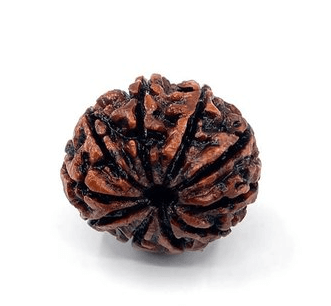
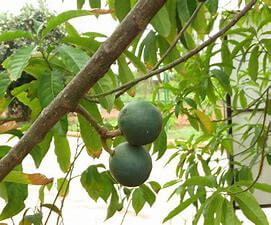
रुद्राक्षa is the name of a stone fruit whose dried seeds are used as prayer beads by Buddhists, Sikhs, and Hindus (particularly Shaivas). When रुद्राक्षa beads are fully ripe, they are encased in an inedible blue outer fruit, sometimes known as “blueberry beads.”
A number of species of huge, evergreen, broad-leaved trees in the genus Elaeocarpus, of which Elaeocarpus ganitrus is the main species, generate the rudraksha stones.
रुद्राक्षa beads, which are connected to the Hindu god Shiva, are frequently used as protection and for reciting mantras like Om Namah Shivaya. The beads, which are valued comparable to semi-precious stones, are generally sourced from India, Indonesia, and Nepal for jewelry and japamalas (garlands).
Diverse numbers of Mukha (faces or locules) on Rudraksa stones have different significances, and unusual or special stones are highly cherished and valued.
The Story Of the Origin Of रुद्राक्षa beads
There are several stories associated with Lord Shiva that explain the origin of रुद्राक्ष beads, which is also known as “Tears of Shiva.” The words “Rudra” (Shiva’s name) and “Aksha,” which means tears, form the word “रुद्राक्षa.” One of Shiva’s Vedic names is Rudra.
As several well-known Sanskrit dictionaries translate aksha as eyes, the meaning of rudraksha may be taken as “eyes of Rudra”.
The रुद्राक्षa has more religious references, spiritual stories, and folklore than any other single tree. Due to their purported mystical and therapeutic qualities, रुद्राक्षa beads have historically been sought after.
The earliest Vedic texts describe many events that resulted in the formation of “रुद्राक्षa.” Lord Shiva is the central focus of every epic. Rudra is another name for Lord Shiva. According to the Shiva Purana, Lord Shiva once spent a significant amount of time in intense meditation to ensure the welfare of all living things.
When he opened his eyes after emerging from his meditative state, tears immediately fell to the ground. These tears fell to the earth and transformed into seeds, which subsequently developed into रुद्राक्षa trees.
There is a reference to the रुद्राक्षa in the Rig Veda that says “रुख द्रावयथि इति रुद्रः”. The word “rukh” implies “grief, pain, or anguish.” Rudra is another name for Shiva, and Draavayathi means “to eliminate.” Iti is another word for “that” or “who.” The above-mentioned phrase means Shiva is the one who vanquishes suffering or sorrow.
Lord Shiva is referred to as “Rudra,” while the word “Aksha” implies tears or in some cases eyes. रुद्राक्षa hence means “tears of Shiva” or eyes of Shiva. रुद्राक्षa is used and adored by Lord Shiva.
The Vedas consider रुद्राक्षa beads to be holy and divine. They carry a vibrational frequency that has an impact on the soul, body, mind, and senses. Even the devas (gods) of the celestial planets are drawn to wear these beads because of their countless advantages.
The Significance of रुद्राक्षa beads
Elaeocarpus, the plant that produces रुद्राक्षa beads, is a large genus of broad-leaved evergreen trees. The trees, which range in height from about 50 to 200 feet, are found in India, South-East Asia, Nepal, and Indonesia’s North Indian River Plain. All trees have white, petal-fringed blossoms that grow into drupaceous fruit that resembles olives.
The sections of the trees’ cylindrical main trunks are circular. Small vertical lenticels and narrow horizontal furrows can be found in the bark, which is tough and greyish white in color.
When रुद्राक्षa grows in its natural environment, its branches stretch out in all directions until the top resembles a pyramid. Typically, rudraksha is grown in a subtropical climate with temperatures between 25 and 30 degrees centigrade.
The greatest रुद्राक्षa beads come from plants that may be found in Nepal, 2000 metres above sea level, in the foothills of the Himalayas. A रुद्राक्षa beads tree can reach a height of 50 to 200 feet and has enormous leaves when it is completely developed and ready to give रुद्राक्षa fruits, which takes 10 to 12 years.
A रुद्राक्षa tree’s ability to grow depends on both the soil’s ability to hold moisture and the presence of cold weather. White blossoms on the रुद्राक्षa tree first bloom before producing round रुद्राक्षa fruits. रुद्राक्षa tree fruit has a sour taste and is not very appetizing to consume.
After ripening and turning a blue color similar to a berry, the green fruits fall to the ground by themselves. The hard रुद्राक्षa is obtained once the top coating has dried and been scraped.
रुद्राक्षa typically ranges from 1 to 21 Mukhis, while 1 to 14 Mukhis रुद्राक्षa beads are also frequently found. The faces between 15 and 21 are more uncommon, and the mukh/ faces above those are only occasionally discovered. The easiest and most plentiful रुद्राक्षa beads to find are the 4,5 and 6 Mukhi varieties. The lines that divide the bead determine the number of faces.
Anyone can wear rudraksha, regardless of gender, race, ethnicity, location, or religion. They are for anyone at any stage of life, regardless of their physical or mental health.
रुद्राक्षa beads is really good support for someone who is always traveling and eats and sleeps in different places because it forms a protective bubble for your energies.
You may have noticed that when you visit a new location, sometimes it is easy to fall asleep, but in other locations, you may be physically exhausted but still find it difficult to do so. This is due to the fact that you cannot relax if the environment is not suited to your type of energy.
रुद्राक्षa is the seed of a specific tree species that often grows at a specific altitude in the highlands, primarily in the Himalayan region. Sadly, there aren’t many of these trees left in India because the majority of them were used to build railroad sleepers.
These days, one may find them mostly in Nepal, Burma, Thailand, or Indonesia. The energy of these रुद्राक्षa beads is really distinctive.

रुद्राक्षa beads Mala/ Garland
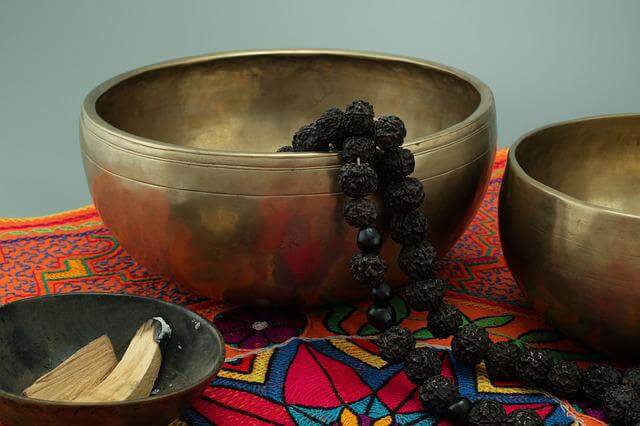
रुद्राक्षa beads garlands are frequently used by Hindus as divination tools for prayer, meditation, and sanctification of the mind, body, and soul. Due to its relationship with Shiva, who dons rudraksha garlands, 108 rudraksha beads have a long history of wearing in India, notably among Shaivism.
The majority of garlands include 108 रुद्राक्षa beads plus one because 108 is regarded as sacred and is an appropriate amount for reciting a brief mantra.
The extra bead, also known as the “Meru,” “bindu,” or “guru bead,” serves as a marker for the start and finish of a cycle of 108 beads and has symbolic significance as a “principle” bead. Beads are typically strung together in sets of 27+1, 54+1, or 108+1 for rudraksh garlands. Shiva-related mantra Om Namah Shivaya is frequently used for repeats (japa) utilizing rudraksha beads.
A रुद्राक्षa beads mala with less than 84 beads plus the Bindu shouldn’t be worn by an adult. Anything above that is Acceptable. The mala must always have a bindu attached to it; otherwise, the energy becomes cyclical, which could make sensitive individuals uneasy.
Benefits of Wearing रुद्राक्षa beads
There are numerous references to the many medicinal benefits and spiritual importance of these रुद्राक्षa beads in ancient spiritual works like the Shiv Purana and the Devi Bhagwatam. The value of a bead is determined by its many hues, contours, dimensions, and mukh, or cuts. This makes it easier to assess its importance in the treatment of various conditions.
- All Chakras are balanced by the usage of रुद्राक्षa beads during meditation and by the recitation of the ideal mantras. It grants the wearer the capacity to focus on themselves by chanting a specific mantra continuously in a pattern.
- The रुद्राक्षa acts as a protective barrier, shielding the wearer from harmful energy. By erecting a barrier of protection around them, the रुद्राक्षa beads gives its wearer stability and strong support.
- Children, students, the elderly, and those who are ill can all benefit from wearing it.
- One-Mukhi रुद्राक्षas are thought to be quite potent and can create feelings of solitude.
- The Panch-Mukhi रुद्राक्षa is thought to be safe for wear by people of all sexes, ages, etc. It is known to calm people down.
- Additionally, children’s focus and attentiveness can be improved by wearing rudraksha beads.
- The rudraksha beads enhances the wearer’s general sense of cleanliness.
- The Pancha-Mukhi रुद्राक्षa is able to relax one’s mind and body, which is known to reduce blood pressure and soothe the nervous system.
- The rudraksha aids in determining whether the water is fit for drinking. Similar to that, rotating the bead clockwise while holding the food over positively enriched food. Negatively enhanced food, on the other hand, will cause the bead to rotate counterclockwise.
- Drinking the warm water kept in a Copper container with रुद्राक्षa beads in it will assist function as a heart tonic, increase blood circulation, heal constipation, and also operate as a skin and hair tonic and is very helpful in obtaining relief from skin ailments.
- Applying a thick paste of honey and rudraksha to the skin can treat respiratory ailments like allergies, colds, and fevers.
- रुद्राक्षa bead powder combined with sesame or mustard oil can be used to alleviate joint stiffness, numbness after menopause, and irregular menstrual cycles in women.
- रुद्राक्षa beads negates the negative effects of malefic planets in your birth chart, making it suitable to wear for those who have committed sins in life and seek salvation.
- रुद्राक्षa beads gives the wearer strength and motivation as well as improves learning and cognition.
- रुद्राक्षa beads lowers blood pressure, stress, and hypertension and treats epilepsy and infected injuries.
- रुद्राक्षa beads offers refuge, stability, and guidance to travellers.
Important things to wear before wearing रुद्राक्षa beads
- रुद्राक्षa mala or रुद्राक्षa beads should be activated by soaking them in ghee (clarified butter) for 24 hours, followed by another 24 hours in milk or Panchamrit. Wash it in water and use a fresh cloth to clean the beads. Avoid washing रुद्राक्षa beads with soap or any other cleaning solution.
- The रुद्राक्षa beads mala can really be worn daily. Even when you sleep or take a shower, you can wear it.
- It is particularly beneficial for the water to flow over it and upon your body if you take cold water baths without using any chemical soap.
- It is advised to avoid wearing it when using chemical soaps and hot water because, with time, it becomes brittle and will crack.
- It would be wrong to simply purchase रुद्राक्षa beads without consulting an expert because they are used for various purposes. The improper type could cause problems in one’s life.
- It is recommended to string रुद्राक्षa beads using either cotton or silk thread for a mala when you string them.
Buy best quality original रत्नs❤️